
A practical approach to stabilizing
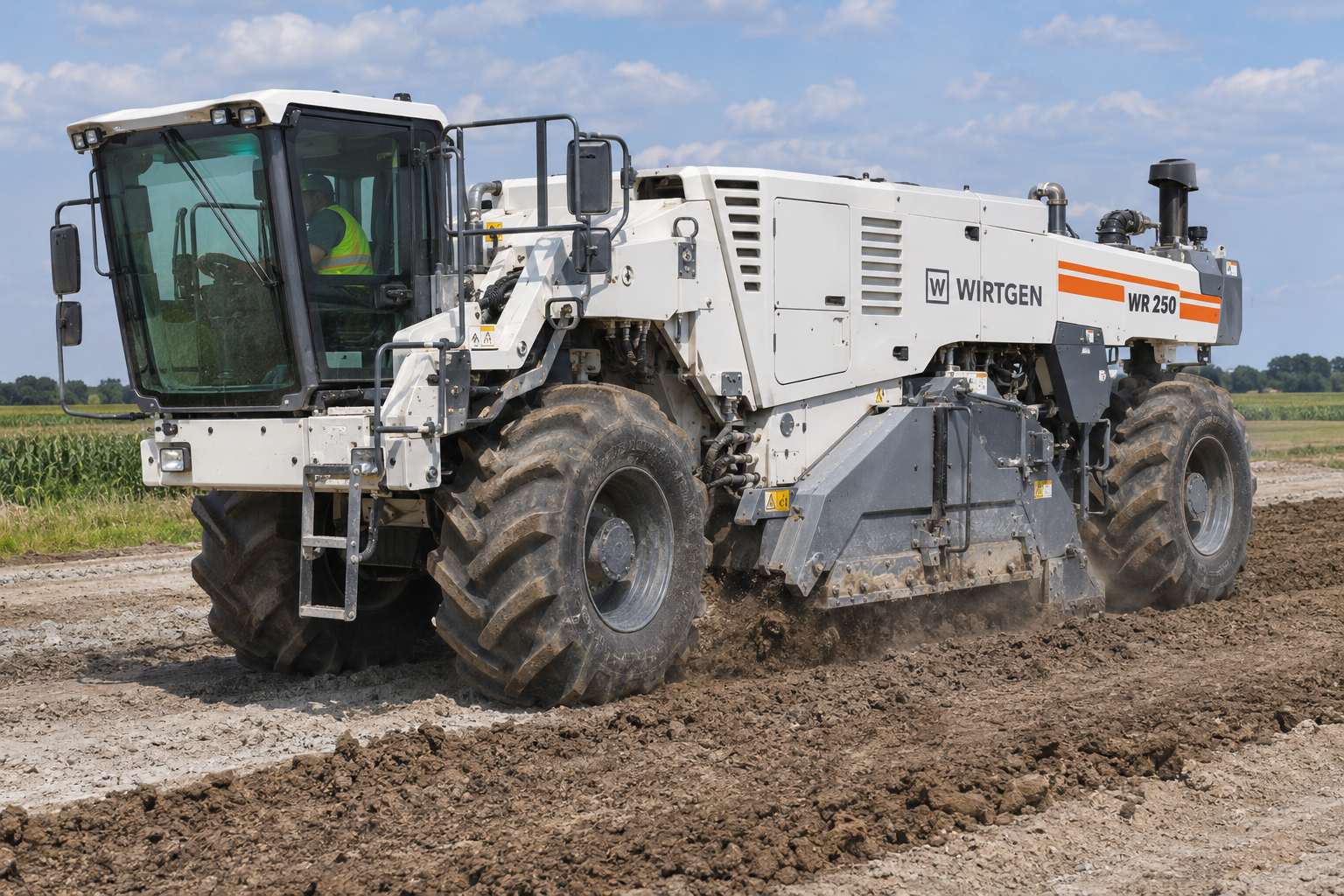
Soil stabilization treats suitable existing ground to create a more consistent construction platform. The selected treatment depends on soil properties, moisture, intended loading, and the engineered design. Some projects also consider full-depth reclamation as part of a pavement rehabilitation strategy. Laboratory recommendations and site conditions guide decisions about materials and treatment depth. Soil testing helps establish whether the proposed treatment is suitable for the construction platform.
Evaluating soil for treatment
A representative soil investigation helps determine whether the proposed material is suitable for treatment. The engineer may specify sampling, laboratory testing, binder type, and the required application rate. Existing pavement, underground services, drainage, and adjacent traffic affect the proposed working limits. Moisture conditions and available access also influence how the treatment area can be prepared. The project documents establish the target results and any limitations on the work.
Mixing and compacting the layer
The approved process may involve distributing a specified binder and mixing it into the soil. Treatment depth and the uniformity of mixing should follow the design and material requirements. The blended layer is shaped and compacted to the specified grades and density. Curing time and weather conditions can affect when subsequent pavement layers may be placed. Actual procedures should follow the approved plans and the recommendations applicable to the selected materials.
Checking the treated surface
Field checks may address binder application, mixing depth, moisture, and compacted density. The required tests and acceptance criteria are set out in the individual project specifications. Survey measurements help verify the treated surface before the next construction layer is installed. Areas that do not meet the specified requirements should be reviewed with project representatives. Documenting treatment and testing provides a record of conditions across the completed work area.
Treatment conditions by region
Wet spring conditions and freezing temperatures can affect treatment schedules in the Midwest. Projects farther east may encounter different soil types, traffic constraints, and seasonal weather patterns. Suitability must be evaluated for each site rather than assumed from a neighboring project. Provide soil information, design details, treatment limits, and the intended schedule when contacting APC. These materials help frame a discussion of stabilization within the overall pavement or site scope.
Start the conversation.
Tell us where you’re building and what your project needs.