
A practical approach to excavation
Excavation establishes the working grades and access needed before many construction activities can begin. A project may involve removing unsuitable material, reshaping terrain, or preparing space for buried infrastructure. The required approach depends on the drawings, existing ground, nearby structures, and intended use. Each site presents its own combination of available space, material quantities, and construction constraints. For commercial sites and transportation corridors, the scope begins with the proposed grades and ground conditions.
Site conditions and earthwork
Existing surveys and geotechnical information help define what must be moved and where it can go. Utility records and field locating are important when proposed cuts approach existing underground services. Access points, haul routes, stockpile areas, and neighboring operations all influence the proposed work sequence. Engineers may also specify limits for excavation, temporary slopes, and the condition of exposed subgrades. Reviewing these details together helps identify questions before equipment and materials arrive onsite.
Moving material safely through the site
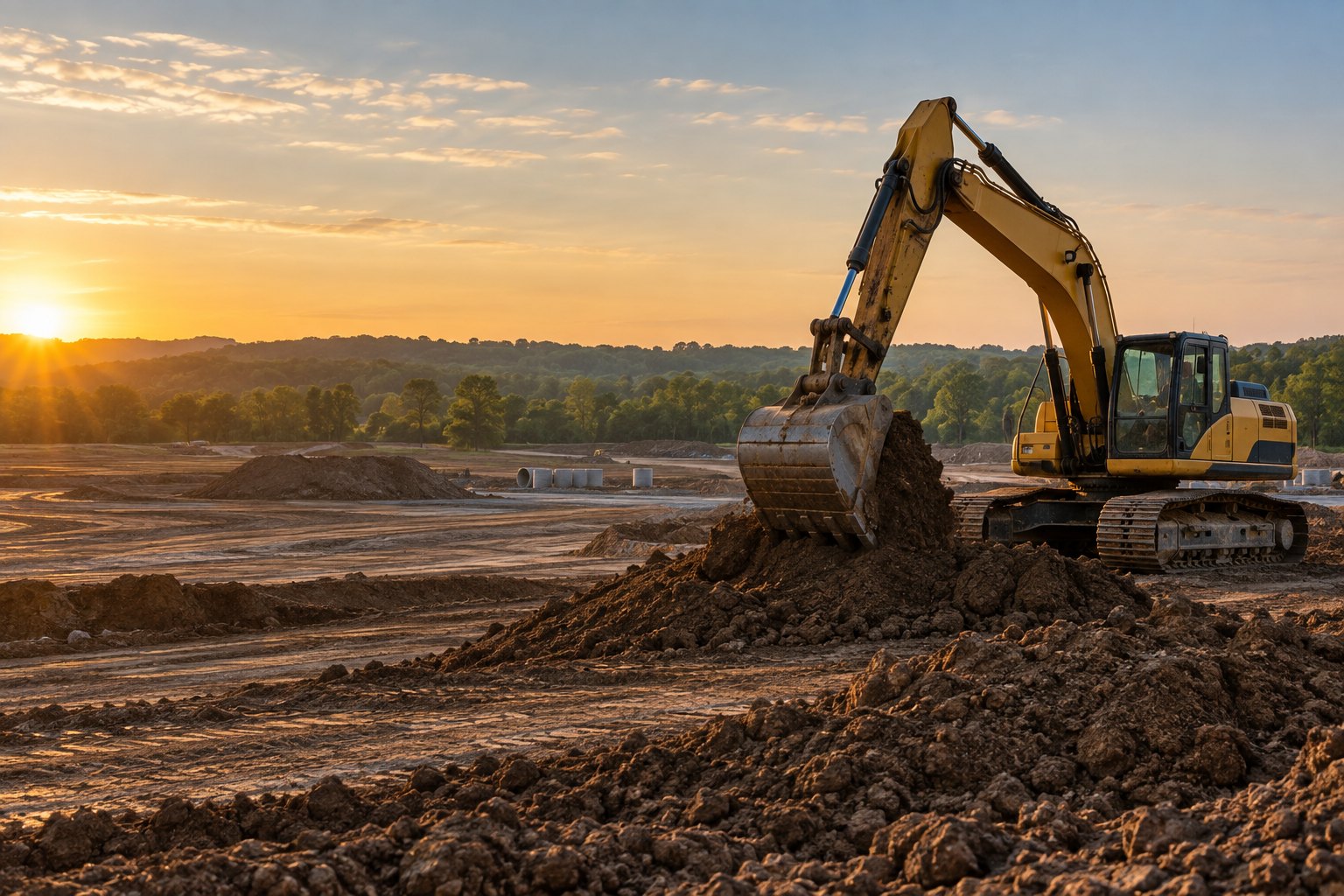
Earthmoving may proceed in stages so that crews retain access to active work areas. Excavated material can be sorted, reused, or removed according to its suitability and project requirements. Trenches and other excavations require protective measures appropriate to their depth and ground conditions. Temporary drainage arrangements can help manage water while permanent systems remain under construction. Actual methods should follow the approved plans and adjust to conditions encountered in the field.
Checking excavation grades
Survey measurements provide a way to compare finished elevations with the project design. Where fill is required, its placement and compaction should follow the specifications for that location. Testing and inspection responsibilities are established by the owner, engineer, and applicable project documents. Any unexpected soil, buried obstruction, or conflicting utility should be brought to the project team's attention. Clear records of field decisions support coordination with the trades that follow excavation.
Planning for regional conditions
An excavation plan for a Midwest site may need to account for seasonal freezing and wet ground. Projects farther east can present different access restrictions, terrain, and local coordination requirements. Those regional considerations supplement the specific site information rather than replacing an engineered design. Share the project location, available drawings, approximate schedule, and known constraints when contacting APC. The team can discuss the proposed scope, project interfaces, and availability for your construction needs.
Start the conversation.
Tell us where you’re building and what your project needs.