
A practical approach to track rehabilitation
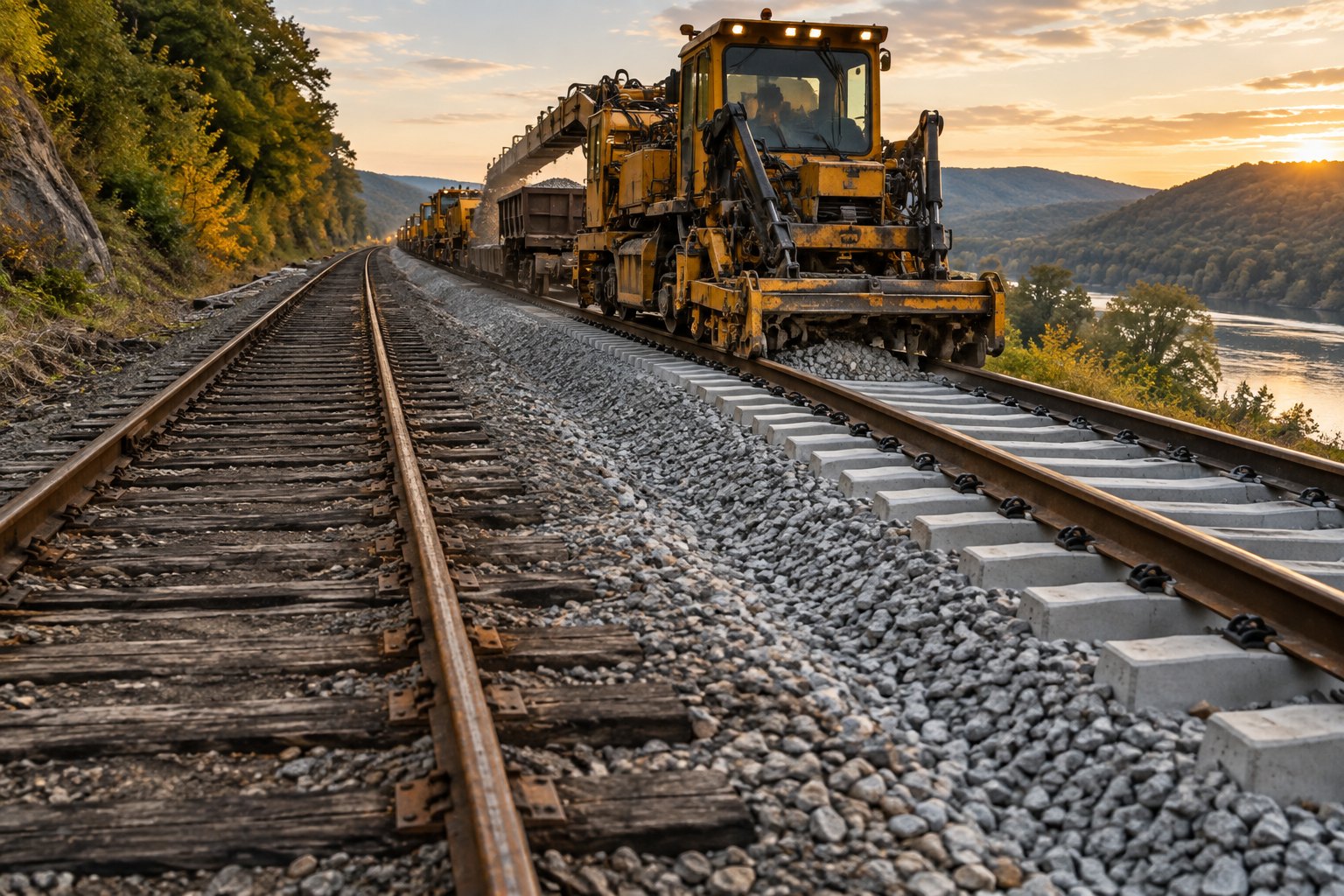
Track rehabilitation addresses selected components or conditions within an existing railway line or facility. The work scope is based on the owner's assessment and the approved rehabilitation plans. Rail, ties, fasteners, ballast, and supporting formation can each require different treatment. Existing operations and connections make the sequence of replacement particularly important. The owner's assessment defines which existing components are included in the rehabilitation scope.
Defining rehabilitation limits
The railroad's inspection information helps identify the limits and priorities of the proposed repairs. Track geometry, drainage, material condition, and nearby crossings may influence the work package. Access windows and required protection are established with the owner before activities begin. Materials must be staged so they can reach the work area within those constraints. The rehabilitation plan should also account for how existing and replacement components will connect.
Replacing designated components
Work may include removing designated materials and installing the replacements specified for each location. Surface adjustments or ballast work may accompany component replacement when the project plans require them. Crews must follow the approved sequence and the railway's operating protection requirements. Existing facilities outside the authorized limits should remain coordinated with the ongoing work. Conditions discovered after removal are referred to the responsible representatives for a project-specific decision.
Reviewing the repaired track
The railway's standards and project documents establish inspection and acceptance requirements for rehabilitated track. Checks may cover track geometry, fastenings, material placement, and connections at the work limits. Records of replaced components and inspected locations can support the owner's review process. Any remaining adjustments should be coordinated before the track is returned under the owner's procedures. The responsible railway determines the operating conditions and final acceptance of its infrastructure.
Conditions along existing lines
Midwest rehabilitation schedules may need to account for wet ballast or frozen ground. Corridors farther east can present constrained access, different terrain, or complex interfaces with adjacent facilities. The appropriate repair approach depends on the specific track conditions and the railway's requirements. Provide inspection findings, planned work limits, access arrangements, and the intended schedule to APC. This information helps frame the rehabilitation discussion without assuming conditions across the entire line.
Start the conversation.
Tell us where you’re building and what your project needs.