

A practical approach to railway preparation
Railway preparation brings track, roadbed, crossings, and related work into a coordinated construction program. The scope depends on the railroad's design, operating requirements, and condition of existing facilities. Projects may involve new track, rehabilitation, replacement components, or improvements at grade crossings. Construction access and protection arrangements are established with the responsible railway owner. The railroad's operating requirements shape the sequence for each proposed track improvement.
Railway plans and work windows
Available track plans and field information help define the limits and sequence of the proposed work. Existing operations, nearby crossings, utilities, and available staging space affect the practical construction approach. The railroad determines permissions, access windows, and protection required around its operating infrastructure. Material specifications and delivery arrangements should be coordinated with the approved installation schedule. Identifying these interfaces early helps the parties understand the constraints on each work period.
Coordinating track activities
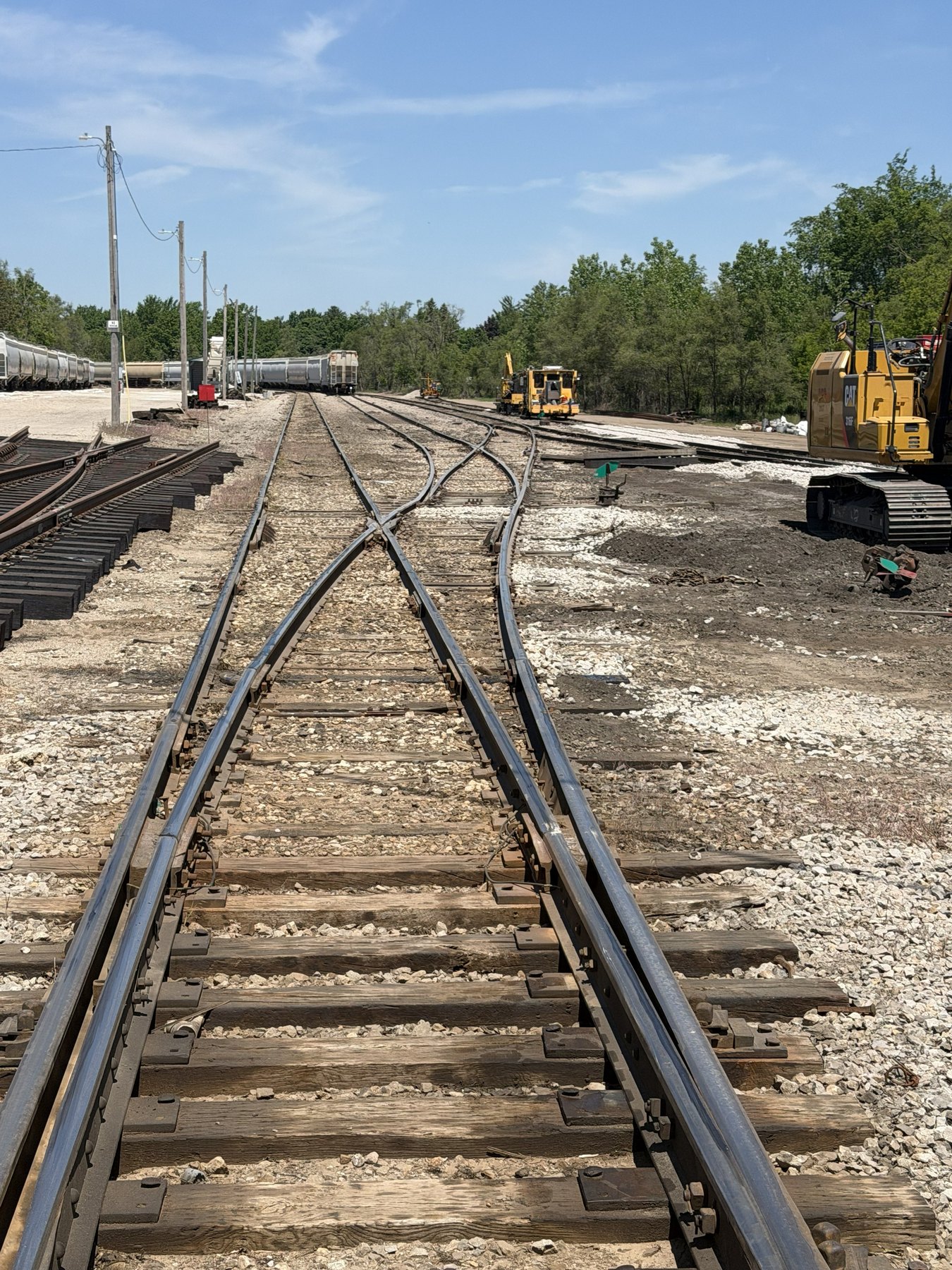
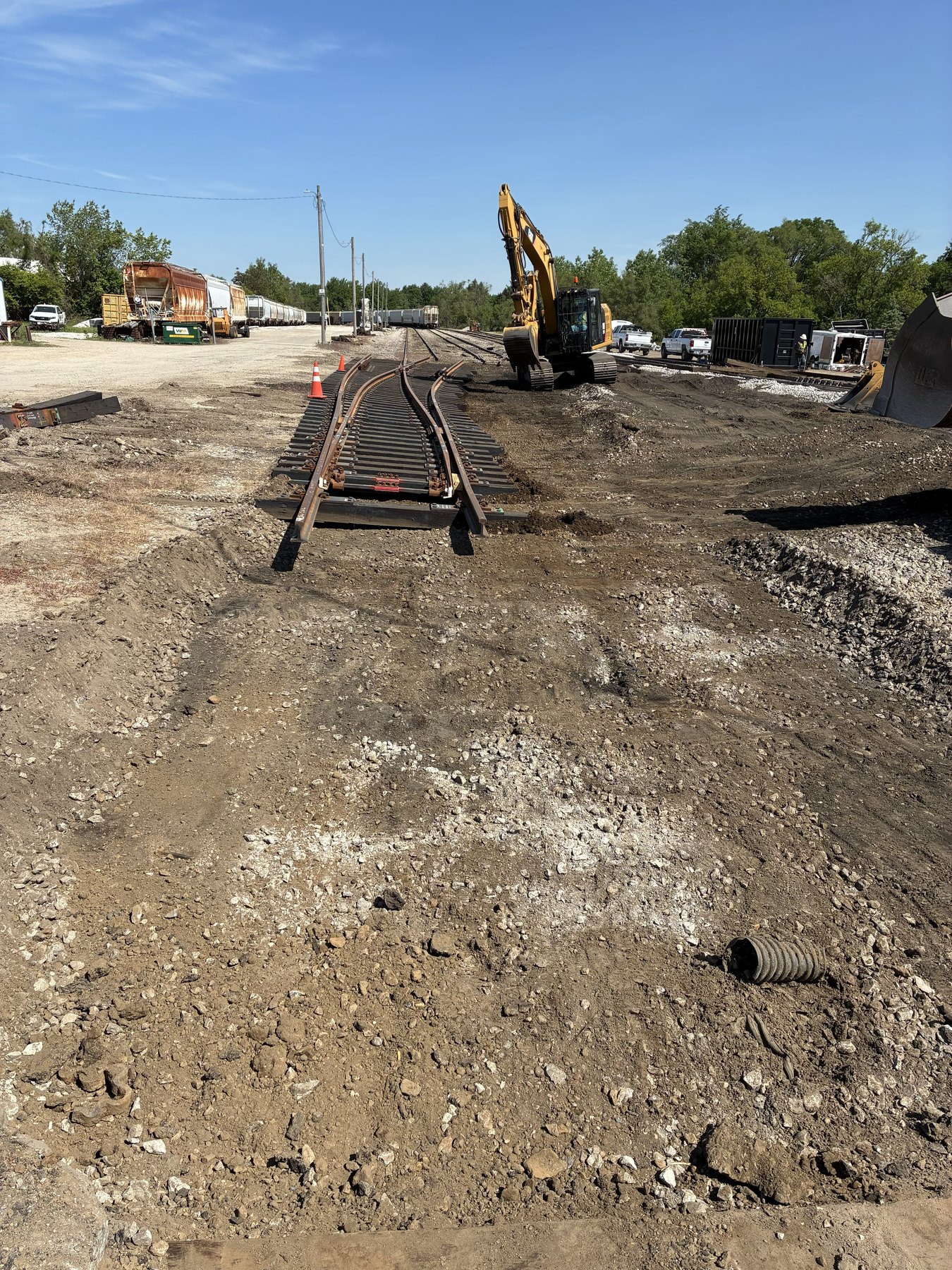
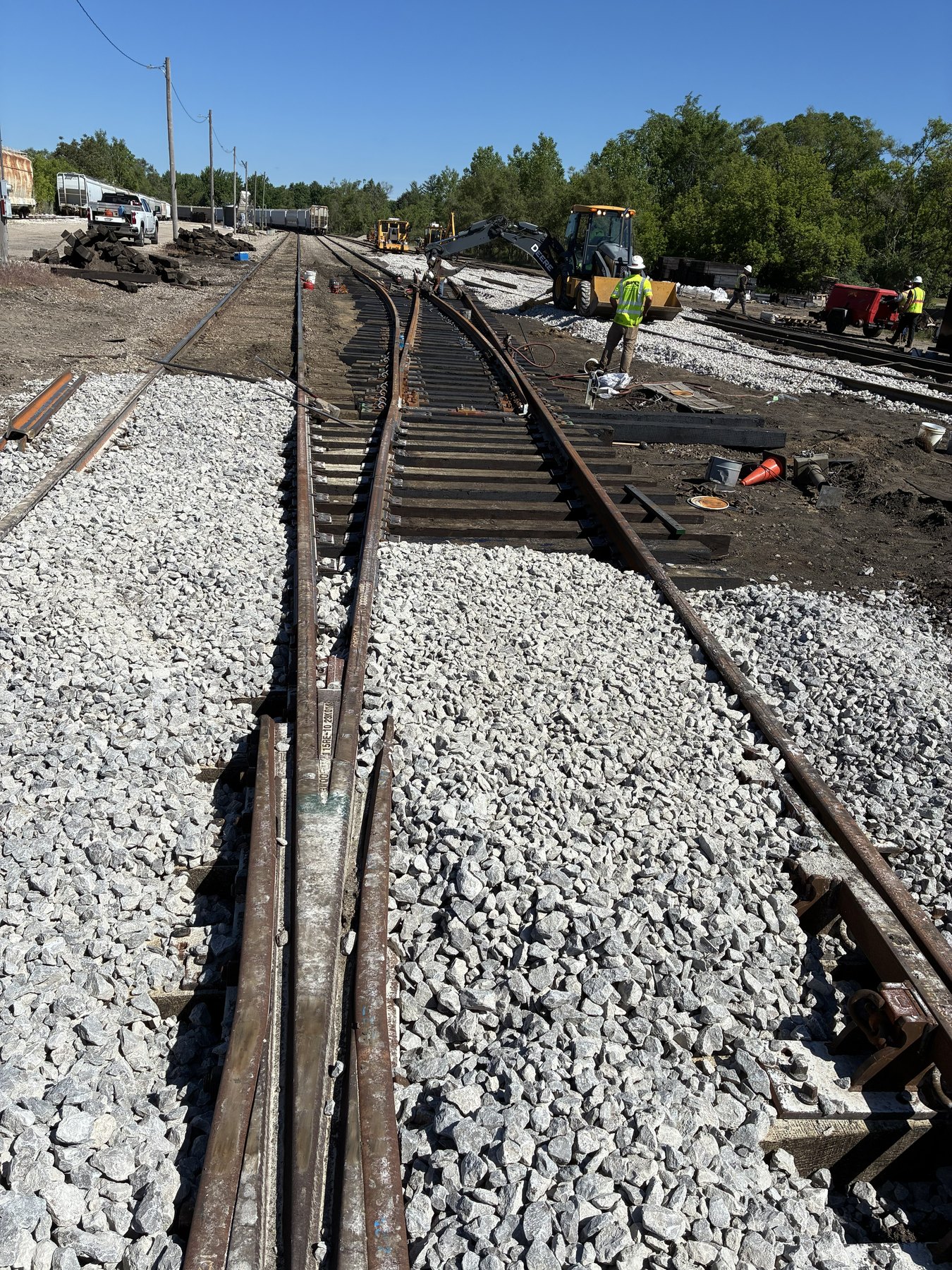
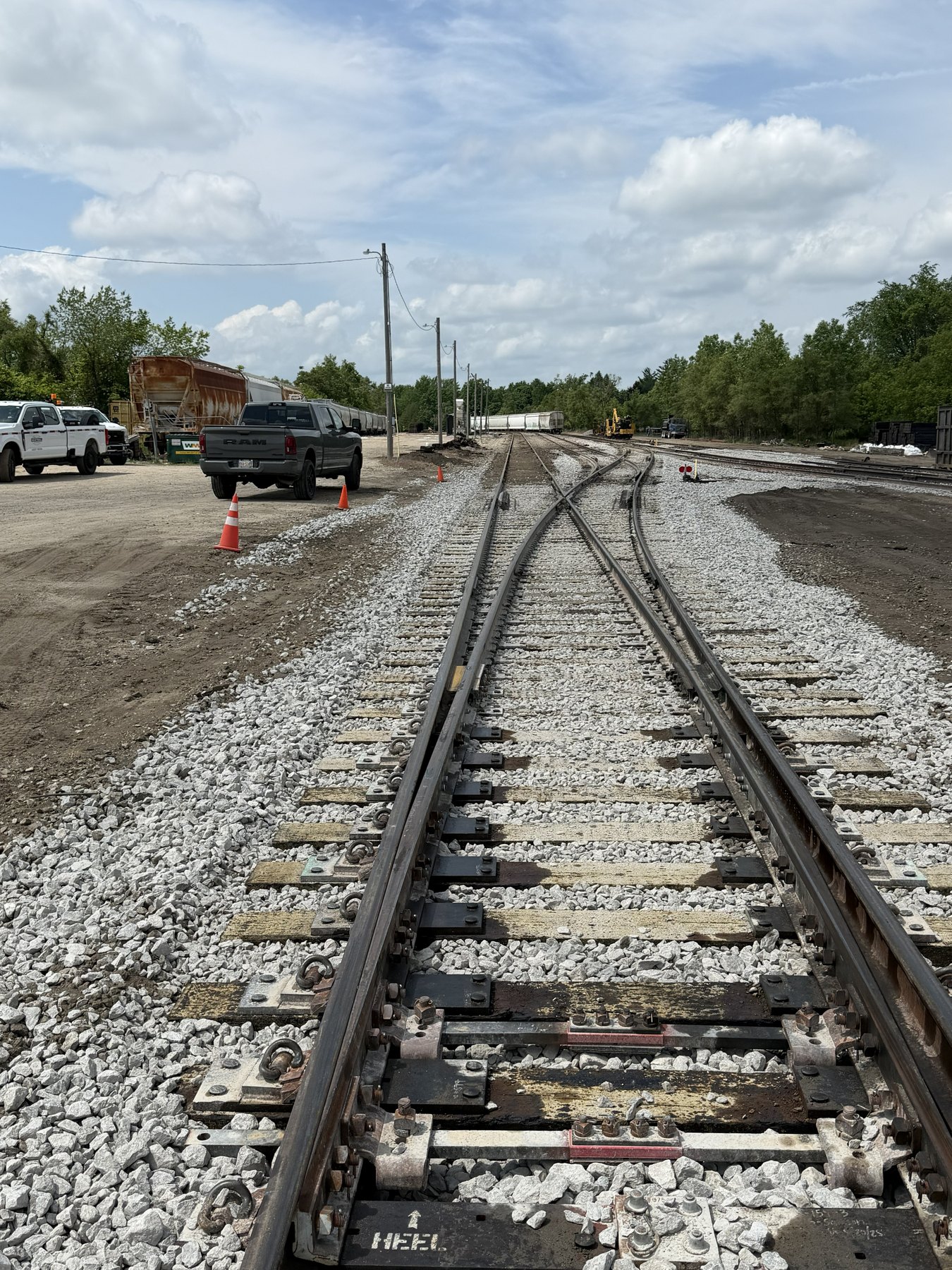
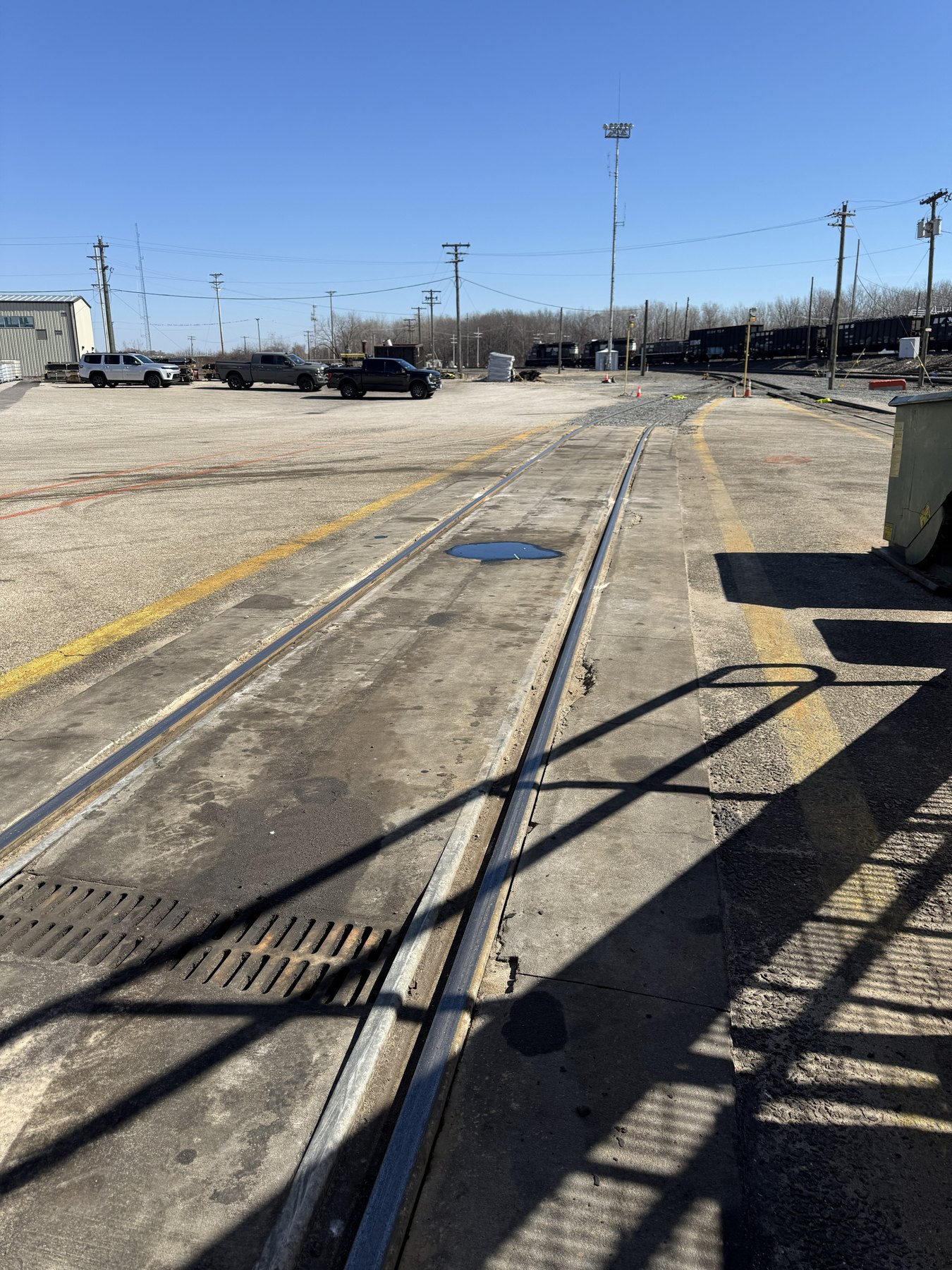
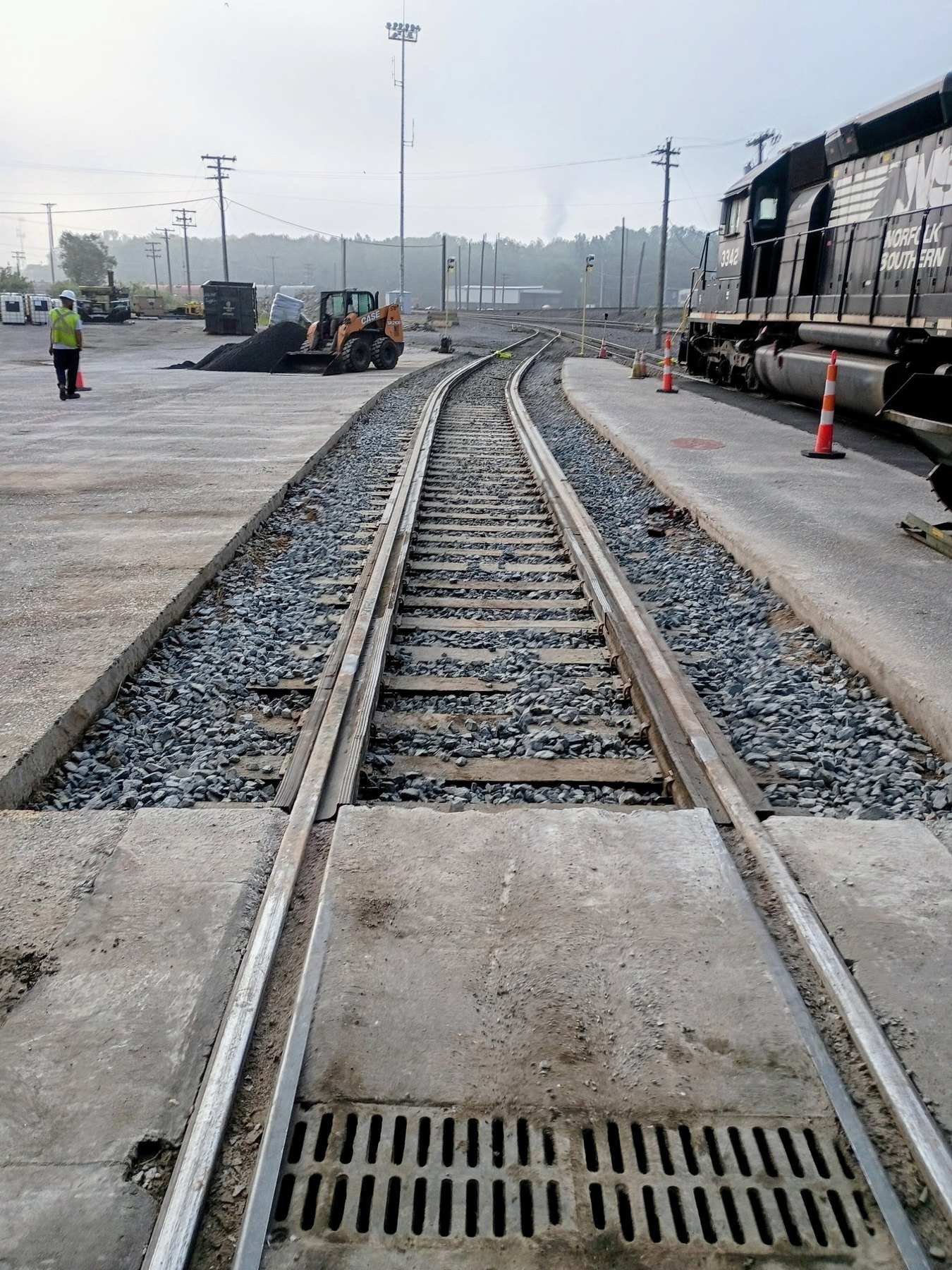
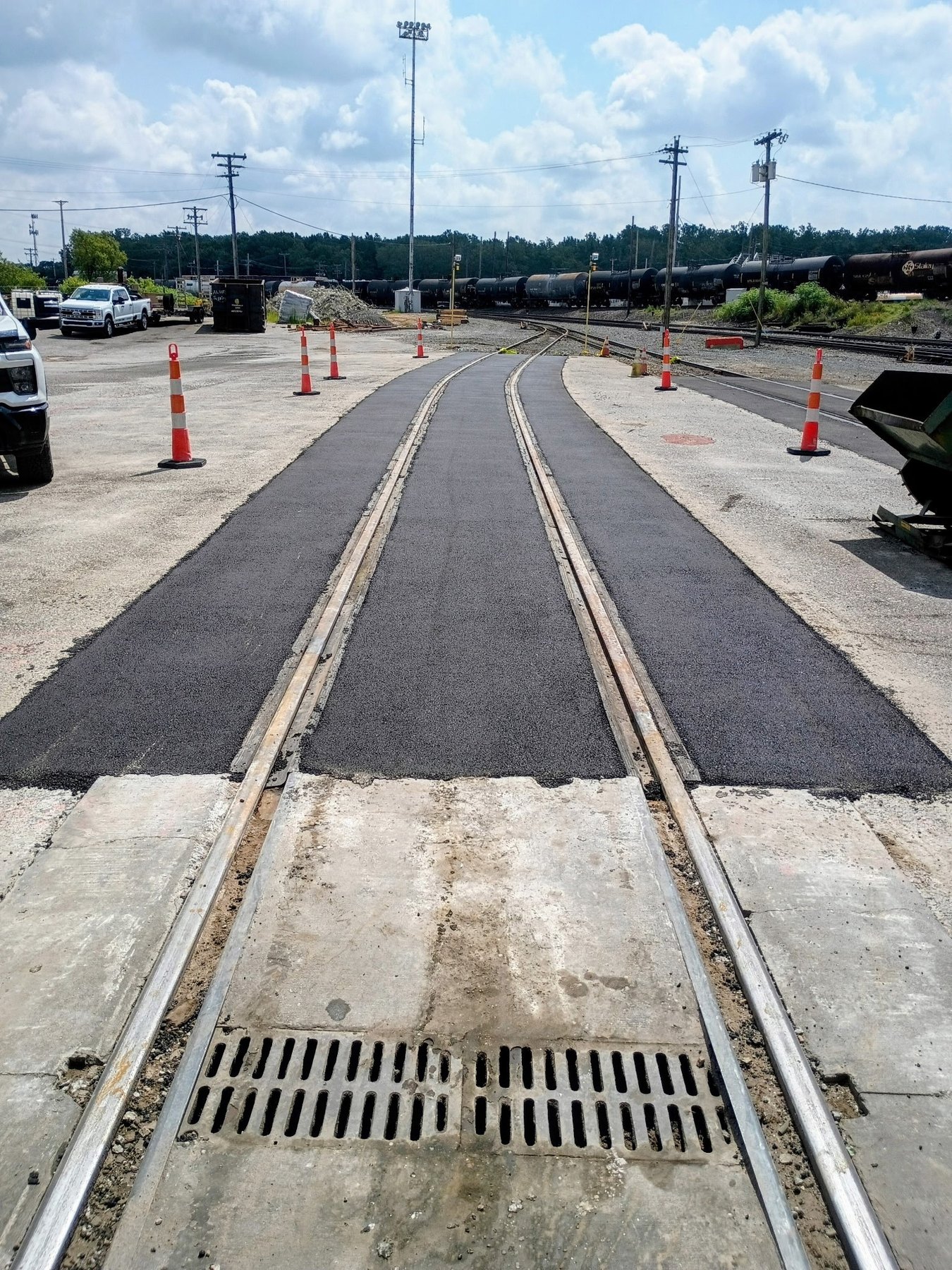
Depending on the project, activities may include roadbed preparation, track installation, or replacement of specified components. Crossing and turnout work requires particular attention to how the new elements meet existing track. The construction sequence should reflect the approved drawings and the owner's operating requirements. Equipment and materials must be positioned within the access and protection arrangements provided for the site. Unexpected conditions should be communicated through the project's established coordination process.
Inspection and acceptance
The project documents define the inspections, measurements, and acceptance responsibilities for the completed work. Alignment, elevations, connections, and other track details are checked against applicable owner requirements. Required records may document installed materials, completed work limits, and observations made during construction. Access restrictions can make it important to plan inspection points before a work window closes. Any corrections should be coordinated with the responsible railroad and project representatives.
Rail corridor considerations
Railway corridors in Ohio and neighboring states can be affected by seasonal weather and ground conditions. Eastern routes may present different terrain, operating patterns, and constraints around adjacent development. Each project is governed by the standards and permissions of its particular railway owner. Provide the track location, scope drawings, access requirements, and proposed schedule when contacting APC. Those details support an initial discussion of the work and its construction interfaces.
Start the conversation.
Tell us where you’re building and what your project needs.